Artificial intelligence has transformed how computers understand human language. At the heart of this transformation are language models. These models rely on advanced techniques to process and analyze text. One of the most important techniques is word embeddings. Word embeddings help language models capture the meaning and relationships between words in a way that traditional methods cannot. If you want to explore these concepts in depth, consider enrolling in an Artificial Intelligence Course in Mumbai at FITA Academy and take your AI skills to the next level.
Understanding Word Embeddings
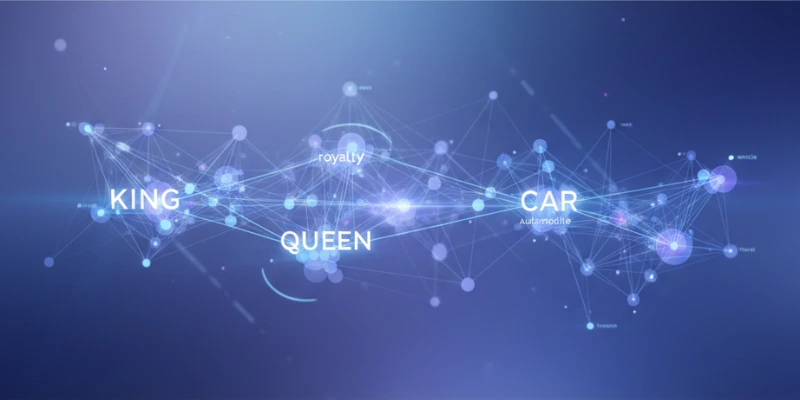
Word embeddings are numerical representations of words. Instead of treating words as simple text, embeddings convert them into vectors. These vectors exist in a multi-dimensional space where similar words are located close to each other. For example, the words “king” and “queen” will have vectors that are closer together than the vectors for “king” and “car.” This allows language models to understand subtle relationships between words.
How Word Embeddings Improve Language Models
Language models use word embeddings to improve text understanding and generation. By representing words as vectors, models can analyze context more effectively. This helps in predicting the next word in a sentence or understanding the sentiment of a paragraph. Word embeddings also reduce the complexity of handling large vocabularies. Instead of memorizing every possible word combination, models can rely on the similarities between embeddings to make predictions. To gain hands-on experience and learn these techniques in detail, you can join an AI Course in Kolkata and build practical skills in artificial intelligence.
Different Types of Word Embeddings
There are several approaches to creating word embeddings. One common method is called Word2Vec. Word2Vec learns embeddings by analyzing word contexts in large text datasets. Another method is GloVe, which focuses on global word co-occurrence patterns to generate embeddings. Modern language models often use contextual embeddings. Unlike traditional embeddings, these vectors change depending on the surrounding words, allowing models to handle words with multiple meanings.
Applications of Word Embeddings
Word embeddings are widely used in various AI applications. They play a critical role in machine translation, enabling models to understand the meaning of sentences across different languages. They are also essential in sentiment analysis, helping models detect emotions in text. Search engines use embeddings to match user queries with relevant content, and chatbots rely on embeddings to provide more natural and accurate responses. To gain practical knowledge and explore these applications in depth, you can enroll in AI Courses in Delhi and enhance your skills in artificial intelligence.
Future of Word Embeddings in AI
As AI continues to evolve, word embeddings remain a foundational tool. Advances in embeddings are making language models more accurate and context-aware. Researchers are exploring new ways to make embeddings more efficient and capable of understanding complex relationships between words. With these improvements, language models will continue to enhance human-computer communication.
Word embeddings are a core element of modern language models. They allow AI systems to understand word meaning, context, and relationships. By transforming words into vectors, embeddings allow models to execute tasks like translation, sentiment analysis, and content generation with improved precision. As technology advances, word embeddings will remain a key factor in making language models smarter and more reliable. If you want to gain hands-on experience with these techniques, you can join an Artificial Intelligence Course in Pune and advance your AI expertise.
Also check: How NLP Helps Chatbots Talk Like Humans