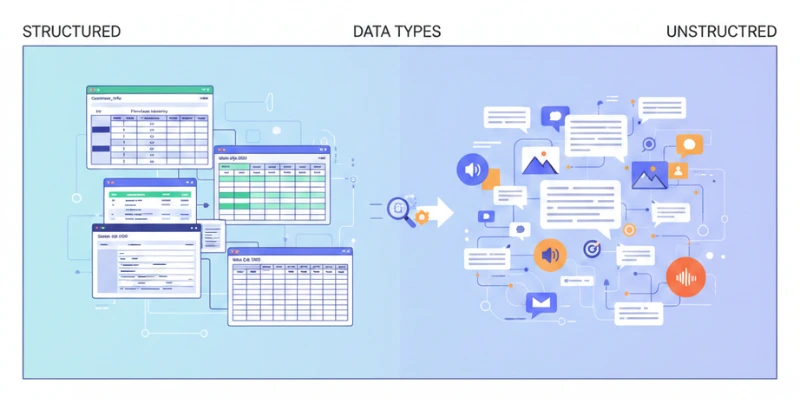
Data plays a central role in modern analytics and decision making. However, not all data looks or behaves the same. Certain types of data can be organized into rows and columns, whereas other types manifest in more fluid forms, such as text or images. Grasping the distinction between structured and unstructured data is a fundamental principle in data science. This knowledge helps beginners grasp how data is stored, processed, and analyzed across industries.
Businesses rely on this understanding to choose the right tools and methods for analysis. For learners starting their journey, this topic builds a strong foundation for advanced concepts. Many learners begin by learning these basics through the Data Science Course in Mumbai at FITA Academy, which supports practical and conceptual clarity for long-term growth.
What is Structured Data
Structured data refers to information that follows a predefined format. It is usually organized in tables with clear rows and columns. Each column has a specific data type, such as numbers, dates, or text. This consistency makes structured data easy to store and retrieve. Databases and spreadsheets are common examples where structured data is used daily.
Because of its organized nature, this type of data works well with traditional analysis tools. Queries can be run quickly, and patterns are easier to identify. Structured data is widely used in banking, retail, and inventory systems. Learners who want to master handling such datasets often look for a Data Science Course in Kolkata that helps develop strong analytical skills in a structured learning environment.
What is Unstructured Data
Unstructured data does not follow a fixed format or schema. It includes text documents, emails, social media posts, images, audio, and videos. This type of data is growing rapidly due to digital communication and online platforms. Unlike structured data, it cannot be easily placed into tables. Analyzing unstructured data requires advanced techniques like natural language processing and image analysis.
Although it is complex, unstructured data offers rich insights into user behavior and opinions. Businesses use it to understand customer sentiment and trends. To work confidently with such data, learners often consider taking a Data Science Course in Delhi, which focuses on real-world data challenges and modern tools.
Key Differences and Real World Use
Organization and ease of analysis are the primary distinctions between structured and unstructured data. Structured data is easier to manage but limited in depth. Unstructured data is harder to process but provides richer insights. Most real-world projects use a combination of both types. For example, an online store uses structured data for sales records and unstructured data for customer reviews.
Knowing when and how to use each type is essential for effective data science work. This balanced understanding prepares learners for industry roles. Enroll in a Data Science Course in Chandigarh to gain practical skills and prepare for real-world data challenges.
Also check: The Role of Storytelling in Data Visualization