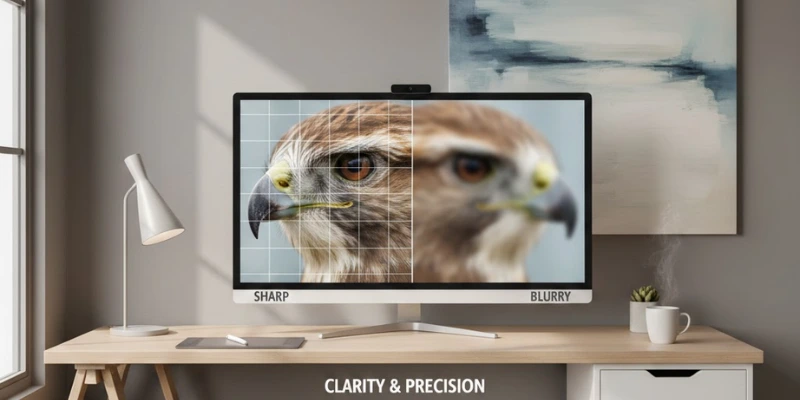
Design mistakes often show up only after a project is delivered. A poster looks sharp on a laptop but turns blurry when printed. A website banner feels fine on desktop but breaks on mobile. These are the moments when designers realize how much resolution and image quality affect real outcomes. Anyone starting out in Graphic Design Courses in Trichy usually hits this learning curve early, because technical quality quietly decides whether a design looks professional or rushed, no matter how good the idea was.
Understanding what resolution really means
Resolution is about how much visual information an image holds. More pixels mean more detail, while fewer pixels lead to softness or blur. New designers sometimes confuse size with quality, but a large image with low resolution still looks poor. Once you understand resolution, you stop guessing and start choosing image settings with purpose. This clarity helps when preparing files for print, web, or social media, where expectations are very different.
Why image quality affects first impressions
People judge visuals instantly. If an image looks grainy or stretched, it sends the message that the brand or creator didn’t care enough. High-quality images feel trustworthy, even when the design itself is simple. This matters in resumes, portfolios, ads, and websites. Strong image quality quietly supports your design choices and keeps viewers focused on the message instead of the flaws.
Print design demands higher standards
Print exposes every weakness in an image. Low-resolution files that look fine on screen can fall apart on paper. Textures turn muddy and edges lose sharpness. Designers working with brochures, packaging, or banners must plan for print resolution from the start. This habit saves rework and awkward client conversations. Once you’ve seen a bad print job caused by poor resolution, you never forget to double-check again.
Screen design has its own rules
Designing for screens is more forgiving, but still technical. Different devices show images differently, and compression can ruin clarity if not handled well. Designers must balance quality with file size to avoid slow loading. Skills learned while working on digital ads or websites often overlap with lessons from Digital Marketing Course in Trichy, where visuals need to load fast but still look clean and sharp across platforms.
Consistency across platforms builds trust
Brands appear everywhere now, from apps to billboards. Using inconsistent image quality breaks visual trust. A sharp logo on a website but a blurry one on social media creates confusion. Designers who manage resolution well keep visuals consistent across uses. This consistency makes brands feel reliable and intentional, which clients and employers notice quickly.
Job expectations in creative roles
Employers expect designers to understand resolution without being reminded. In interviews, candidates are often asked how they prepare files for print or web. Those who’ve explored Graphic Design Courses in Erode often mention real-world project feedback where image quality made or broke the final output. Knowing this technical side helps designers move beyond beginner mistakes and handle responsibility with confidence.
Avoiding common beginner errors
Many beginners stretch images, over-compress files, or ignore DPI settings. These mistakes aren’t about creativity; they’re about awareness. Learning to preview designs in their final format helps avoid surprises. Once designers build this habit, their work starts looking polished even without flashy effects.
Design careers reward people who respect both creativity and clarity. Resolution and image quality may seem technical, but they help protect your ideas from misinterpretation. As visuals continue to drive communication across fields, designers who pair strong fundamentals with broader skills from Digital Marketing Course in Erode often adapt faster to new tools, platforms, and expectations without losing quality.
Also Check: Simple And Impressive Graphic Design Techniques